CheckView is an automated website testing and monitoring platform built for WordPress and WooCommerce websites. It helps agencies, store owners, and website teams catch critical issues before they turn into lost leads, failed orders, frustrated customers, or support headaches. Instead of relying on someone to manually check forms, checkout pages, and other important website flows, CheckView runs automated real-browser tests on your live site and alerts you when something breaks.
For many businesses, the biggest website problems are not obvious design issues. They are silent failures. A contact form stops submitting. A checkout flow breaks after a plugin update. A required field no longer validates correctly. A payment or shipping step stops working as expected. A thank-you page does not load. A user can no longer complete a key action, but no one notices until leads or revenue have already been lost. CheckView is designed to prevent that by continuously testing the parts of your website that matter most.
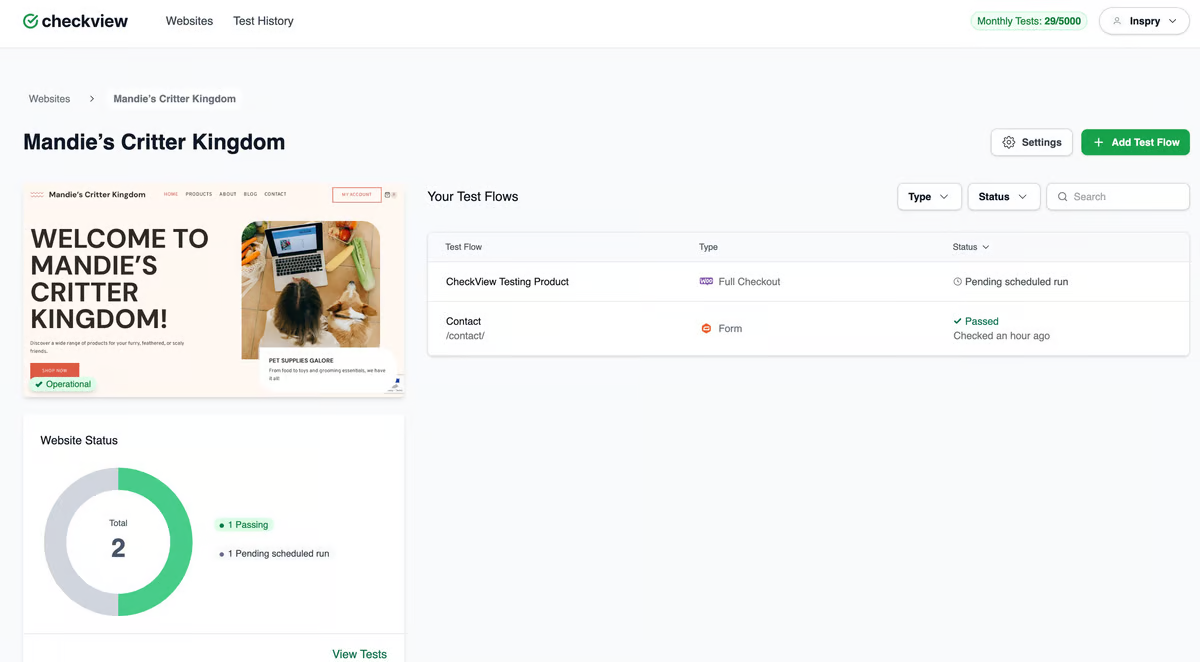
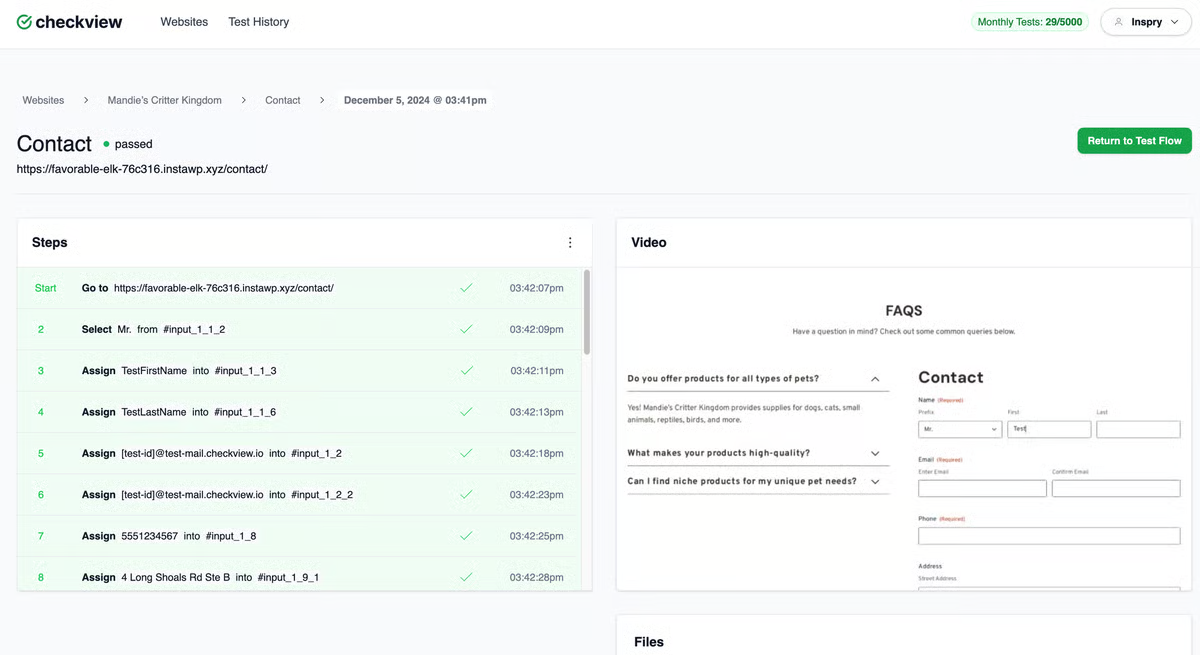
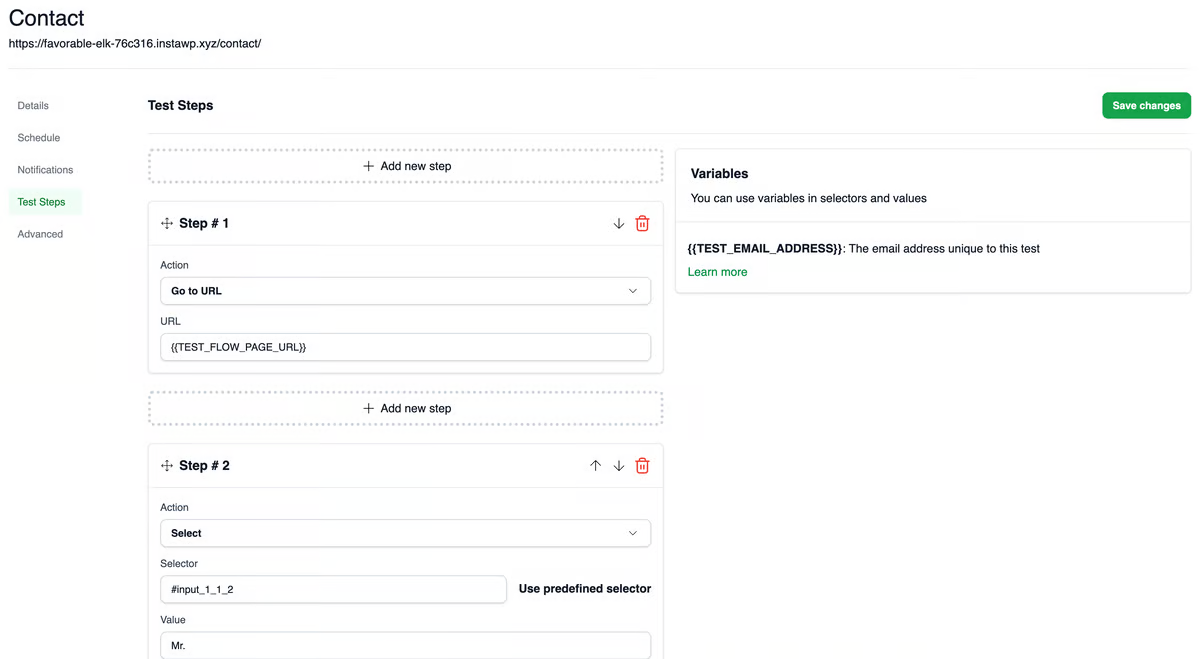
The platform is especially useful for WordPress agencies, WooCommerce stores, maintenance providers, and in-house teams managing one or many websites. Users can create automated test flows for contact forms, lead generation forms, quote requests, registration flows, and WooCommerce checkout journeys. These tests simulate real user behavior in a browser so you can verify whether the experience is actually working, rather than assuming a page is fine just because it loads.
CheckView goes beyond simple uptime monitoring. A website can be online while still failing in ways that cost a business money. Traditional uptime tools may tell you a page is reachable, but they will not tell you whether a form can be submitted, whether checkout works from start to finish, or whether key user journeys are still functional after a theme, plugin, hosting, or server change. CheckView focuses on that deeper level of monitoring by testing functionality, not just availability.
The platform is built to help users monitor the flows that matter most to their business. For a service business, that may mean checking whether a lead form submits successfully and reaches the right confirmation step. For an ecommerce store, it may mean confirming that products can be added to cart and that a checkout can proceed through the expected steps. For agencies managing many client websites, it creates a more scalable way to watch over core website functions without manually retesting sites after every update or client change.
CheckView is also helpful after plugin updates, theme changes, server changes, redesigns, and third-party integrations. Many WordPress and WooCommerce issues happen after something is modified on the site, even when the change seems small. A plugin conflict, caching issue, JavaScript error, checkout regression, or hidden compatibility problem can break a critical flow without warning. By running automated tests regularly, CheckView helps teams identify those problems early so they can respond before the damage spreads.
The platform supports both ongoing monitoring and on-demand testing. That makes it useful not only for recurring peace of mind, but also for troubleshooting, launch preparation, regression testing, and routine maintenance workflows. Teams can use it to confirm a site is still working after making updates, before launching changes, or when validating fixes on a live environment.
For agencies, CheckView can reduce the manual burden of client site oversight. Instead of depending entirely on spot checks, client complaints, or reactive support tickets, agencies can proactively monitor the core experiences that matter most. This helps create more confidence in maintenance plans, reduces the chance of embarrassing failures slipping through, and gives teams a better way to manage website quality across multiple clients.
For WooCommerce users, CheckView helps protect one of the most business-critical parts of a site: the path to revenue. A checkout problem can directly impact sales, and these issues are often difficult to catch unless someone is testing the full flow regularly. By automating those checks, CheckView helps site owners and support teams catch issues earlier and keep online stores operating more reliably.
For form-heavy websites, CheckView helps reduce the risk of missed leads and broken conversions. Contact forms, quote requests, appointment requests, demo requests, and other lead-gen forms are often essential to revenue, yet they are easy to overlook once a site is live. CheckView gives teams a way to continuously validate that these forms are functioning as expected.
Another strength of CheckView is that it is purpose-built for the WordPress ecosystem. Many general testing tools are powerful but overly complex, expensive, or not designed around the realities of managing WordPress and WooCommerce websites. CheckView is designed to give agencies and site owners a more practical, focused solutio











 BugBug
 Ghost Inspector


Comments (1)
Really love this idea. Silent failures in WordPress forms and WooCommerce checkout are such a pain to catch. CheckView automating real-browser tests is a smart approach, especially for agencies managing multiple client sites.
@chaudharyarun5797 Thanks for the positive feedback! As an agency, we thought so too!