
AI predicting the future of AI in industry, tech and society
Data scientists require a sophisticated blend of extraction, transformation, visualization, and predictive modeling utilities to maintain peak productivity. Best-in-class solutions for this audience simplify the bridge between raw, unstructured inputs and polished, shareable insights. These professional resources include robust web applications, specialized API endpoints, MCP servers for seamless AI integration, and high-performance desktop software for heavy local processing.
Selecting the right suite involves matching specific data formats with tools that prioritize precision and reproducibility. Effective solutions frequently provide freemium access, allowing researchers to validate extraction accuracy and modeling logic before scaling. Superior options focus on streamlining workflows like PDF table extraction, OCR for video content, and automated dashboard generation to ensure technical results translate into clear business narratives. High-quality tools empower professionals to automate repetitive cleaning tasks while maintaining rigorous standards for mathematical and statistical accuracy.
Sponsor Data Scientists
Feature your product at the top of this page.
AI predicting the future of AI in industry, tech and society

Grammarly for your AI math

Convert PDF tables into clean structured data

Create professional football radar charts in minutes

Upload Excel or CSV. Get an analysis deck your team can pres
Modern SQL Tools - integrated with your AI CLI tool.

Extract visible text from videos with OCR

Get Any Data Extracted, Structured & Ready to Use

Capture charts, explore AI driven insights, export and share
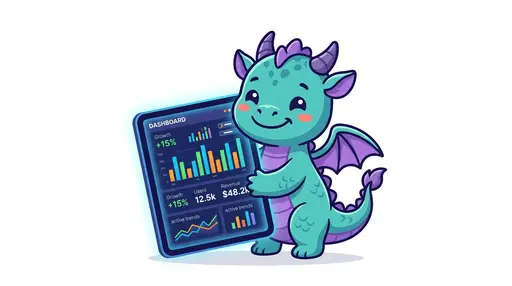
Turn your data into beautiful and shareable dashboards
We audit these selections by evaluating documentation clarity, integration capabilities, and active maintenance cycles. Our team prioritizes platforms that offer flexible pricing tiers and distinct utility for specific research workflows. We select resources based on community reception and their ability to solve niche technical bottlenecks without adding unnecessary complexity to the data stack.