Best Grocery Management Tools in 2026

Grocery management solutions provide the most efficient way to organize household supplies, track inventory, and streamline food shopping workflows. The best options offer seamless synchronization between mobile and desktop devices to ensure lists are accessible wherever consumption occurs. Users prioritize these tools to eliminate food waste and ensure essential items stay in stock without manual oversight.

Effective systems focus on intuitive data entry and intelligent categorization to reduce the time spent managing pantry levels. Superior choices integrate with existing digital habits, allowing for quick adjustments as kitchen needs evolve. Quality remains centered on high reliability and the ability to share updates with family members or roommates in real time to prevent duplicate purchases.

Modern grocery management depends on clear visibility into historical consumption patterns and current availability. Tools that prioritize rapid input methods and offline access stand out for their utility in high traffic kitchen environments and retail settings.

  1. #01Top pick
    Cartlens

    Cartlens

    Know what you overpay. Shop smarter with CartLens.

    13PeerPush
    šŸ”„Trending
    1
    1
  2. #02
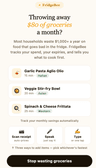
    FridgeBee

    FridgeBee

    Shop smarter, eat fresher, waste nothing

    13PeerPush
    šŸ”„Trending
    1
  3. #03
    ChefsClips

    ChefsClips

    Turn YouTube cooking videos into guided recipes

    12PeerPush
    šŸ”„Trending
    3

How we picked

We selected these grocery management solutions based on their track record of reliability and the consistency of their synchronization engines. Our team focuses on developers who demonstrate active maintenance and provide transparent documentation regarding data privacy. We prioritize tools that maintain high usability standards for diverse household roles.
What to look for

  • Prioritize cross platform synchronization to ensure lists update across all household devices.
  • Select tools that offer smart categorization to organize items by store layout or food group.
  • Evaluate the ease of sharing lists with multiple users to facilitate collaborative shopping.
  • Check for offline capabilities to ensure data accessibility inside large retail buildings.
  • Confirm the presence of customizable reminders and inventory tracking to minimize food waste.
  • Assess the speed of the entry interface for rapid item logging in busy environments.

Frequently asked questions

How do I choose the best grocery management software?
Selecting the right tool involves evaluating your specific household size and shopping frequency. Look for a solution that provides a low friction interface for adding items quickly. Ensure the platform supports real time updates so different shoppers can coordinate their efforts simultaneously without causing confusion or purchasing unnecessary duplicates.
Are there free options for tracking household inventory?
Many grocery management platforms offer free tiers that cover fundamental list making and basic inventory tracking. These versions typically provide core utility for individual users or small households. Advanced features, such as deep analytics or premium collaboration tools, often require a paid subscription to access higher levels of functionality.
Which features matter most for preventing food waste?
Inventory tracking and expiration date logging are critical features for reducing waste. By maintaining a digital record of current pantry items, users avoid buying what they already own. Quality platforms offer visibility into stock levels, helping households plan meals around ingredients that require immediate use before they spoil.
Can these tools handle dietary restrictions and preferences?
Advanced grocery management systems allow for the creation of custom categories and tags to highlight specific dietary requirements. You can organize lists around specific nutritional goals or allergen safe products. This level of customization ensures that shopping trips remain focused on the unique health needs and tastes of your household members.
Do grocery management apps work without an internet connection?
Reliable applications include local storage capabilities to ensure you can view and edit your lists even in stores with poor cellular reception. These tools sync your changes to the cloud once a connection becomes available. This functionality is essential for maintaining a smooth shopping experience regardless of your location.
What is the best tool for Grocery Management?
The best tool for Grocery Management depends on your workflow, team size, and budget. Consider how the tool integrates with what you already use, how quickly you can onboard, and whether it supports the specific outcomes you care about.
How do I choose a Grocery Management tool?
Start by listing the concrete problems you want solved and match them against each tool's core strengths. Look at documentation quality, community support, and pricing fit. Trial the top two or three before committing.
Are there free options for Grocery Management?
Free and freemium tools for Grocery Management exist alongside paid and subscription products. Free tiers are a good way to validate fit before upgrading; check usage limits and export policies so you are not locked in.